
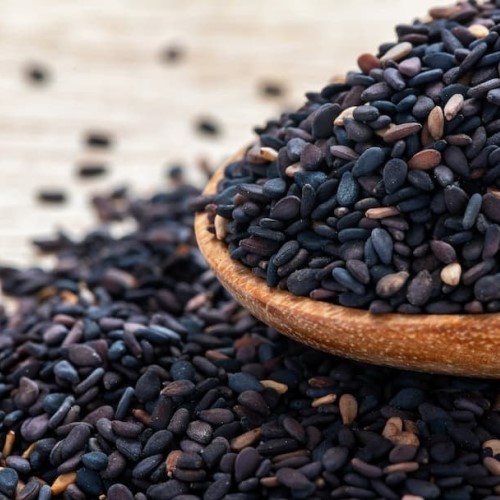
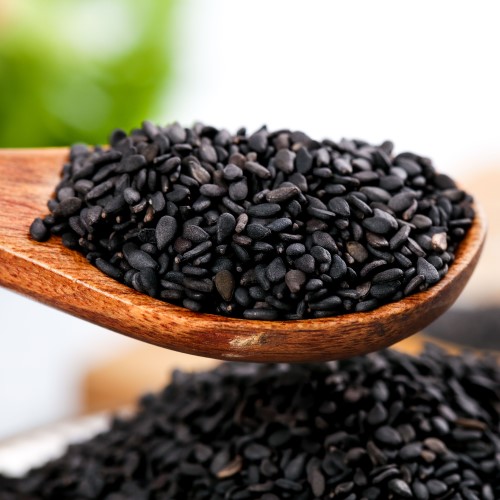
Sesame seeds, which are small seeds rich in oil, are cultivated in pods on the Sesamum indicum plant. These seeds have a long history of use in traditional medicine.
Unhulled seeds retain their outer husk, which is edible, while hulled seeds are husk-free. The husk gives the seeds a golden-brown color, whereas hulled seeds are off-white but turn brown when roasted.
Some key characteristics of sesame seeds include being a good source of fiber, aiding in lowering cholesterol and triglycerides, providing a nutritious plant protein, helping to lower blood pressure, being rich in B vitamins, and containing antioxidants.